Center on Gender and Forced Displacement (CGFD) at AIT organizes Seminar on Climate-Induced Displacement and Gender Equality
The Asia and Pacific region, home to the majority of the world鈥檚 population, also bears the brunt of disaster-induced displacements. Environmental catastrophes, ranging from large-scale tropical storms and floods to tidal surges, tsunamis, earthquakes, droughts, and volcanic eruptions, annually uproot millions of people in the region. South and Southeast Asian nations have recorded the highest instances of climate-driven displacements, posing significant humanitarian challenges. Inequities and inadequate governance further exacerbate these problems, leading to heightened poverty, socio-cultural disparities, limited health access, and increased risks of environmental degradation and climate change.
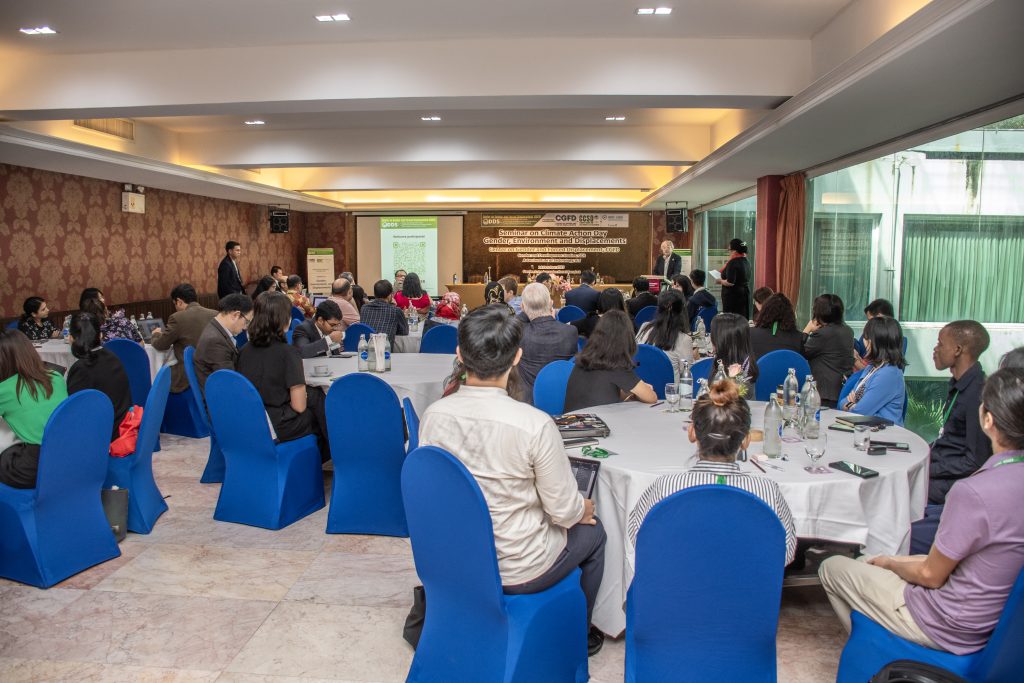
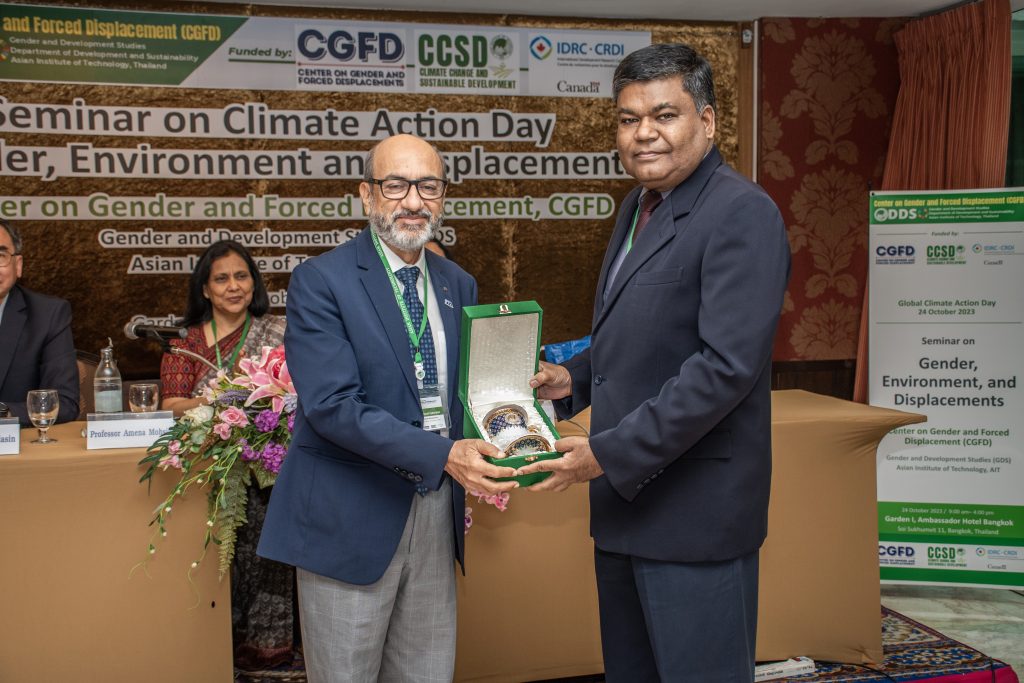
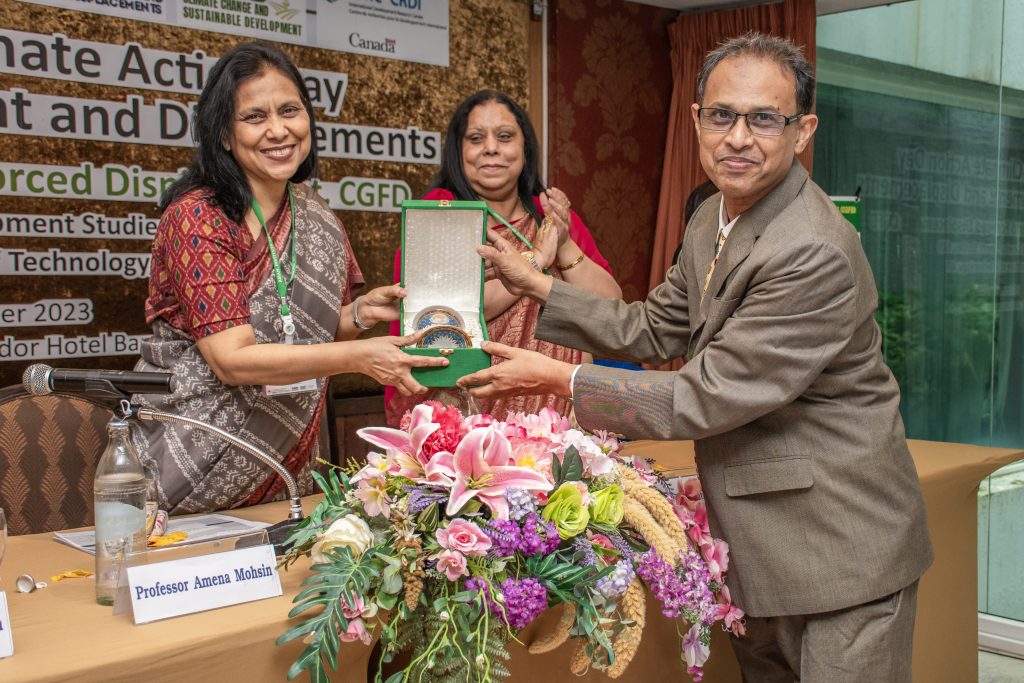
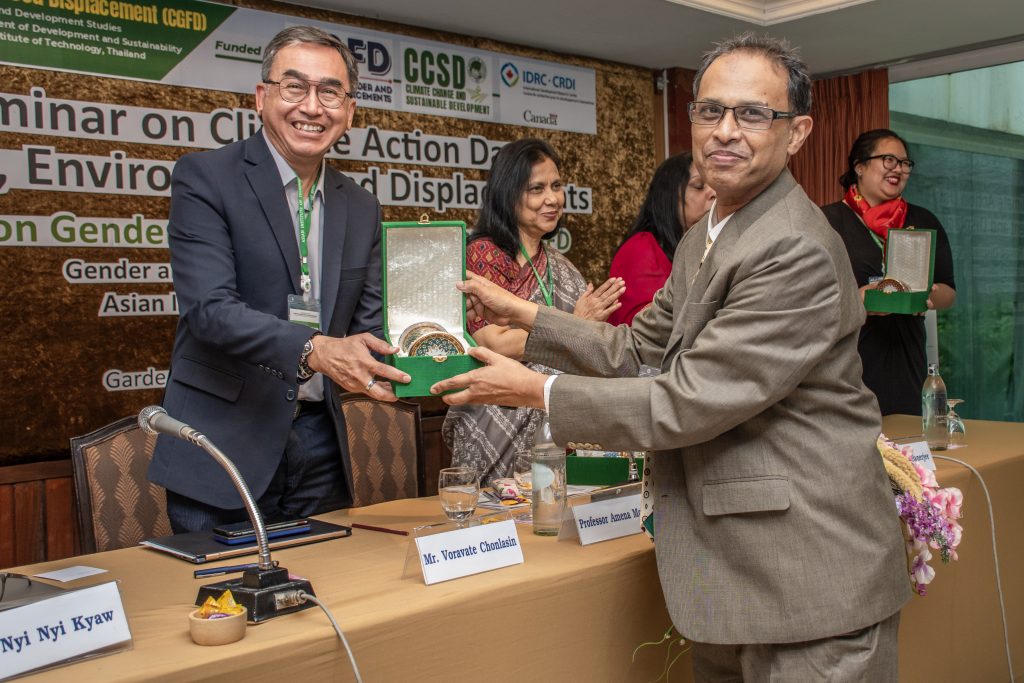
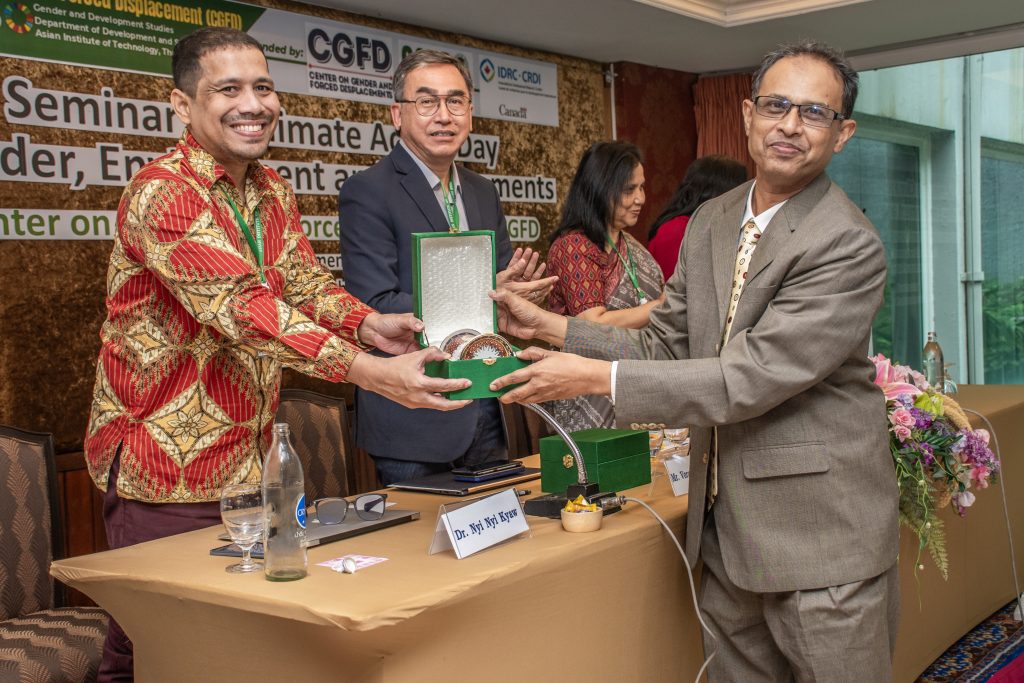
Against this backdrop, the Center on Gender and Forced Displacement (CGFD) at the Asian Institute of Technology organized a seminar on October 24, 2023, to mark International Climate Action Day. The event, funded by International Development Research Center (IDRC) aimed to raise awareness about global warming, environmental degradation, and its adverse effects while fostering a gender-sensitive approach to climate-induced displacements.
The event was attended by scholars, experts, and young thinkers, including students actively addressing environmental issues in South and Southeast Asia, with a particular focus on gender-related aspects.
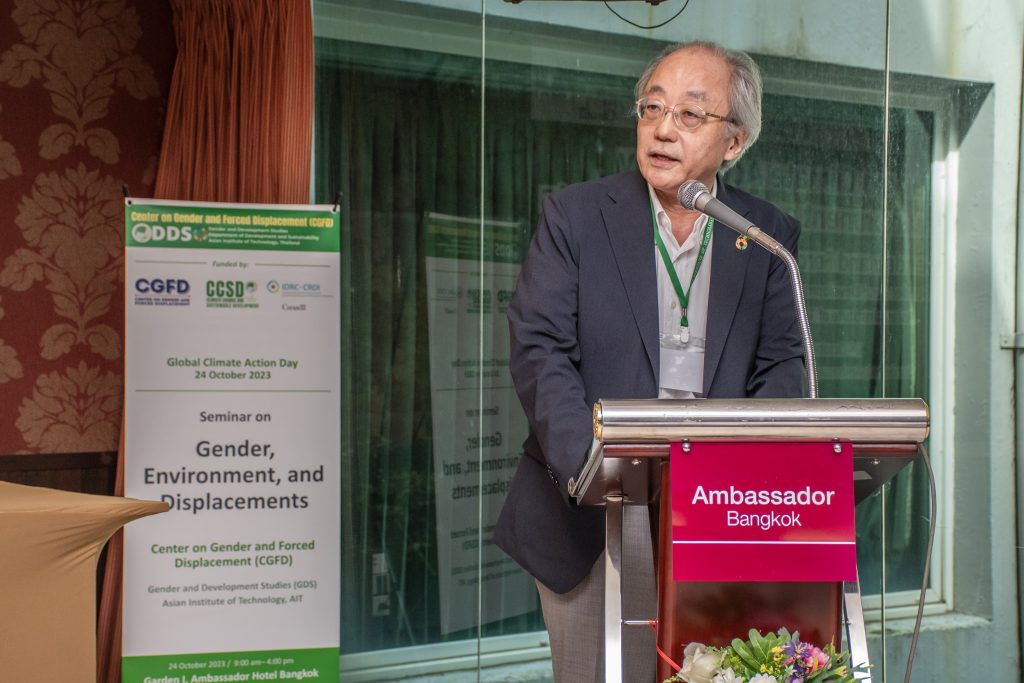
In his welcoming address, AIT President Professor Kazuo Yamamoto emphasized AIT鈥檚 dedication to sustainable development and its commitment to addressing climate change and promoting gender equality. 鈥淲e must urgently address climate-induced displacements from a gendered perspective, drawing inspiration from the gender-related mandates of the UN Framework Convention on Climate Change. We need to work together to find innovative solutions, and this seminar is a testament to our commitment,鈥� he asserted.
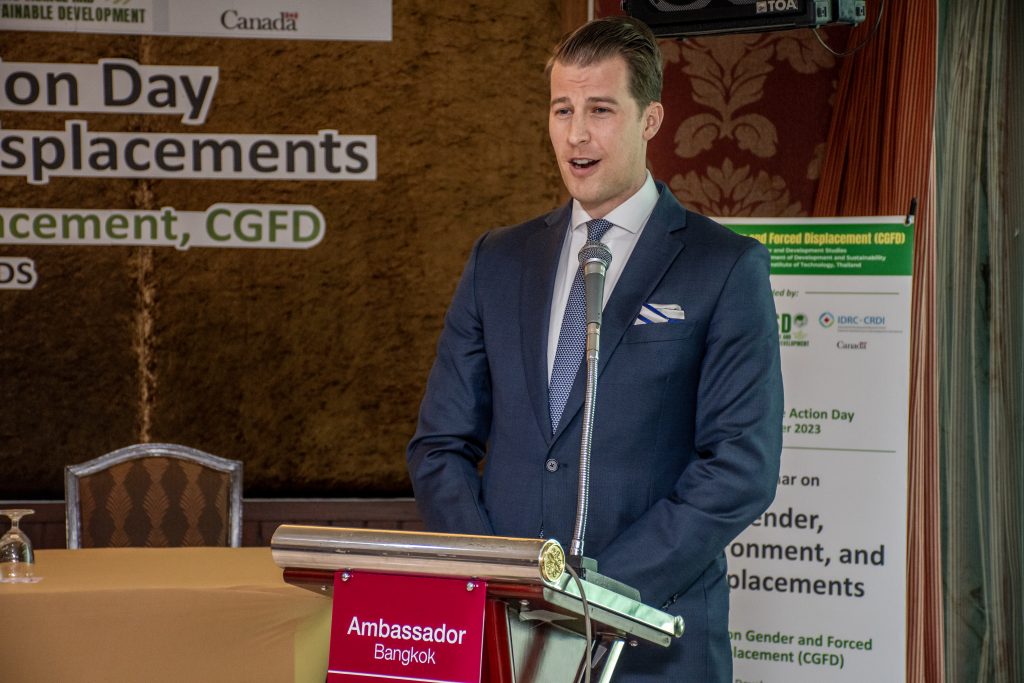
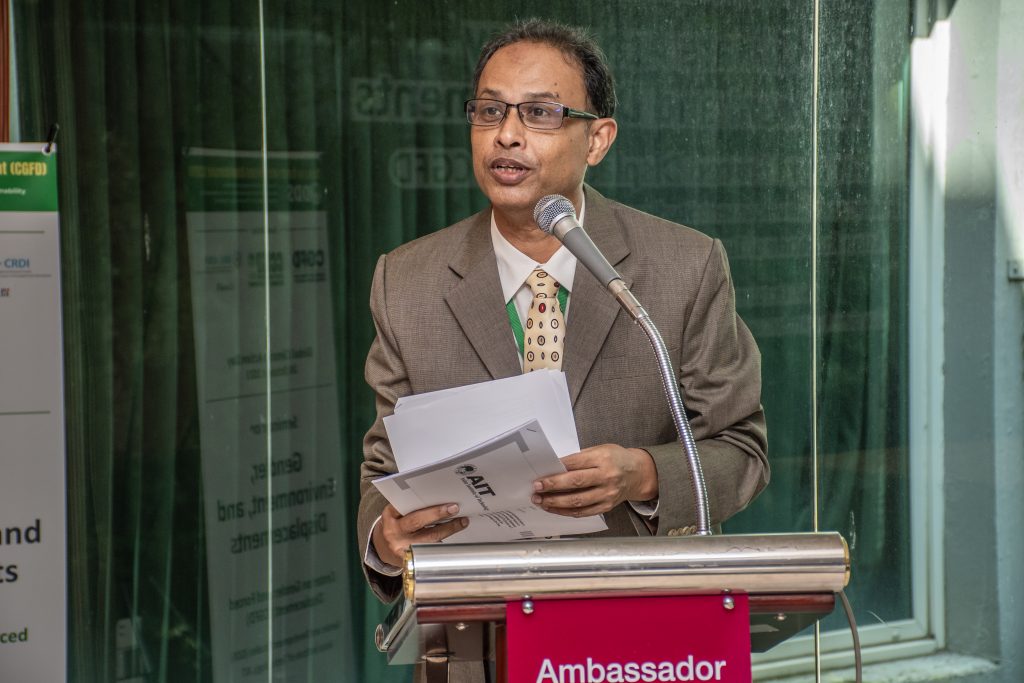
Mr. Miika Tomi, Deputy Head of Mission at the Embassy of Finland in Thailand, expressed gratitude to all participants and stressed the importance of addressing interconnected issues of gender, environment, and displacement, particularly for the most vulnerable individuals. He urged collaboration to create a more equitable and sustainable future for all.
The event featured a keynote paper titled 鈥淓n-gendering 鈥楢nthropocene鈥�: Changing (Counter) Cartographies of (Im)mobilities and Displacements,鈥� presented by Professor Sanjay Chaturvedi from the Department of International Relations, South Asian University, India, and Dean of the Faculty of Social Sciences. The session was chaired by Professor Mokbul Morshed Ahmad, Head of the Department of Development and Sustainability (DDS) at AIT.
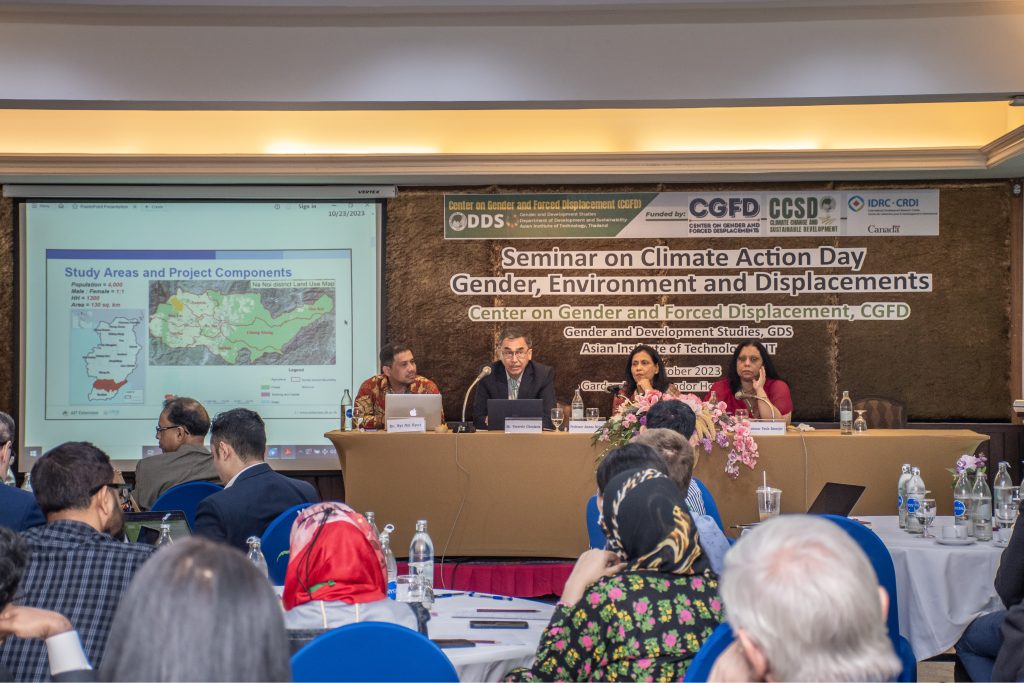
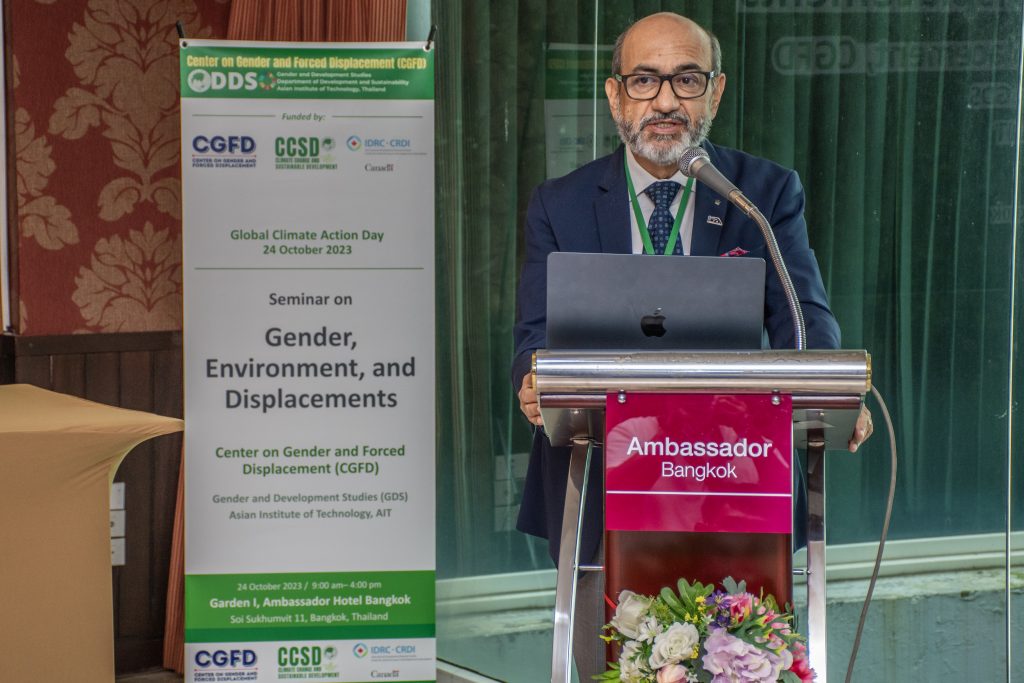
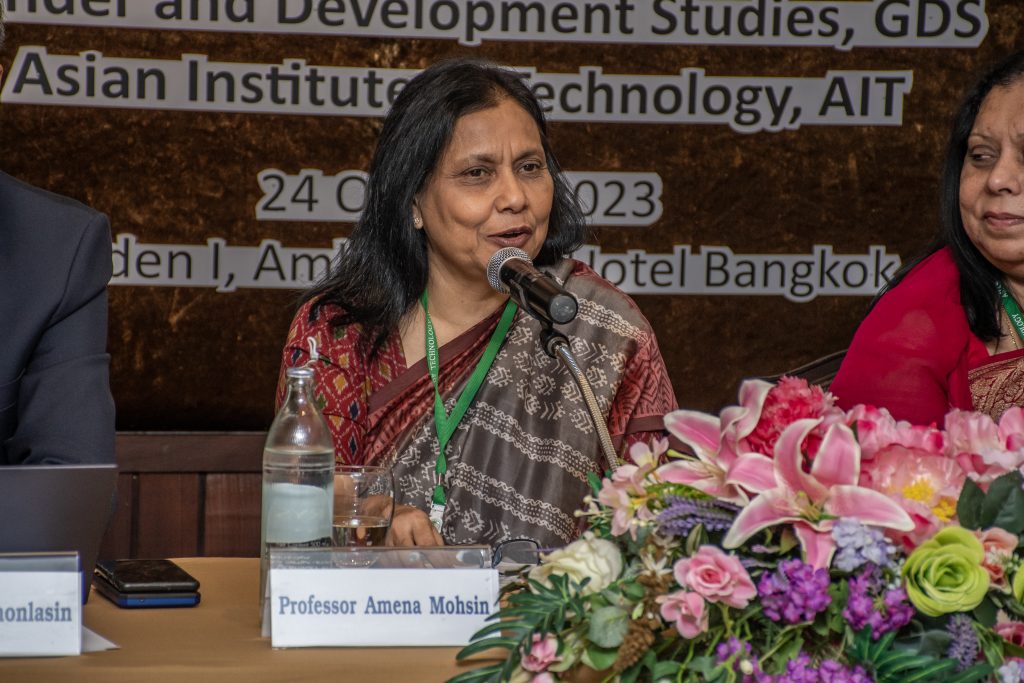
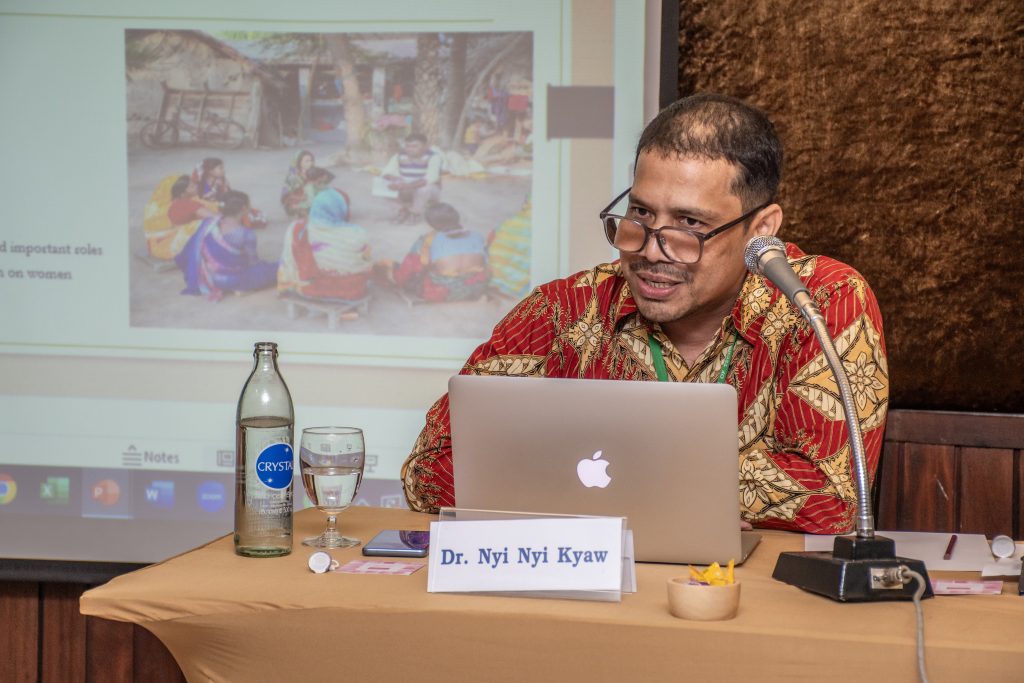
A panel discussion chaired by Professor Paula Banerjee, Director of CGFD at Gender and Development Studies (GDS), AIT, included discussions on 鈥淕ender in Climate-induced Migration: Vulnerabilities and Resilience鈥� by Professor Amena Mohsin from the Department of International Relations, Dhaka University, Bangladesh, and 鈥淐onflict Upstages Gender and Climate Change in Displacement: The Case of Myanmar Displacement鈥� by Dr. Nyi Nyi Kyaw, IDRC Research Chair on Forced Displacement in Southeast Asia at Chiang Mai University, Thailand. In addition, the panel also featured a presentation by Mr. Voravate Chonlasin, Executive Director of AIT Extension, on 鈥淕ender and Social Inclusion in Climate Smart Agriculture,鈥� focusing on highland agriculture in Thailand.
In another session, Ms. Rebecca Napier-Moore from the International Labor Organization (ILO) discussed the intersection of gender, environment, and labour mobility in Southeast Asia.
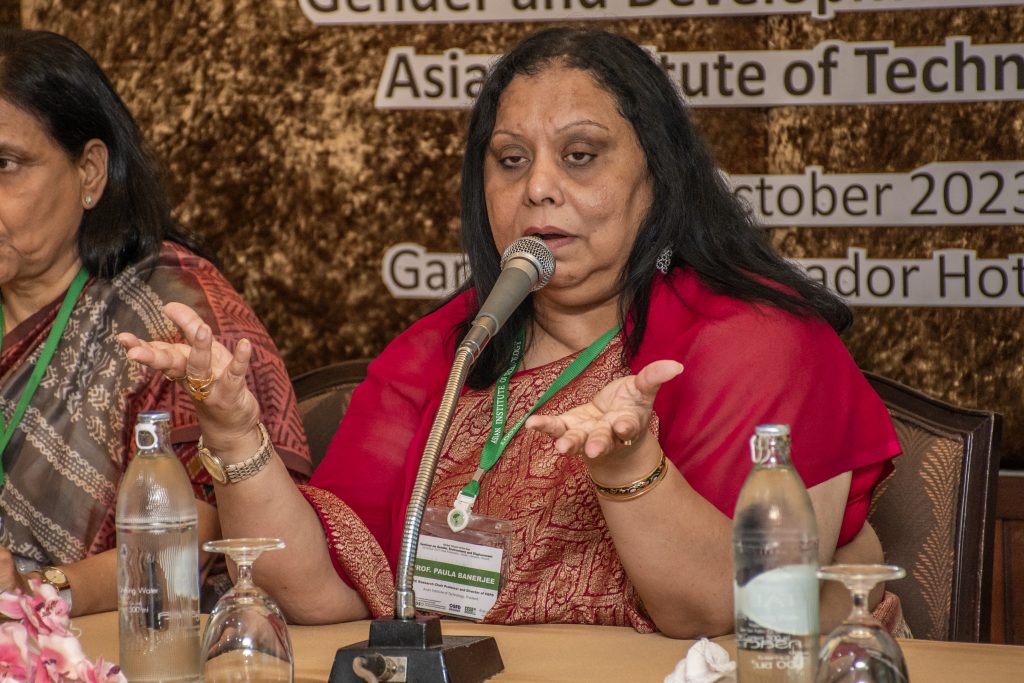
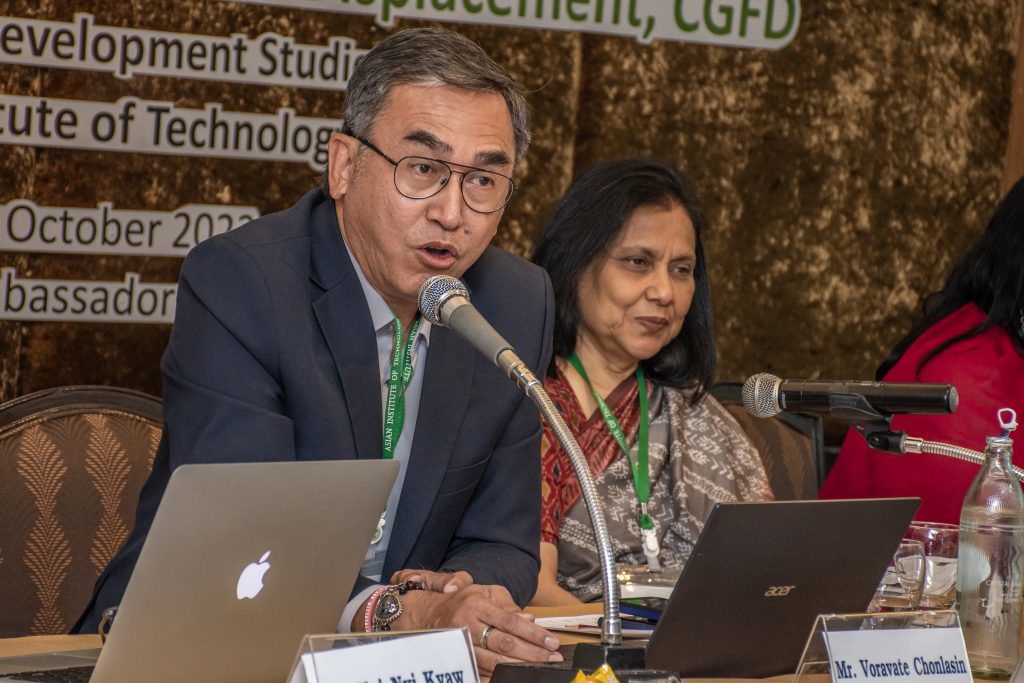
A session dedicated to Young Scholar Presentations, moderated by Dr. Philippe Doneys from GDS, AIT, showcased the research contributions of Aastha Thebe, a Master鈥檚 Student, Pratik Paudel, a PhD Student, and Md. Bakebillah, another Master鈥檚 Student. The session also presented the top three video documentaries of Young Scholars addressing gender, environment and displacements in South and Southeast Asian regions: Muhammad Hammad, a Research Assistant and Rahul Kasaudhan, a Master鈥檚 student; Pratik Paudel, a PhD student and Ha Ngoc Huong Mai, another Master鈥檚 student.
Dr. Monira Ahsan, Postdoctoral Researcher of the Center on Gender and Forced Displacement (CGFD), AIT, in her remarks, invited the academia, UN agencies, government, and civil society to undertake a transdisciplinary lens to address the gendered impacts of climate-induced displacements.
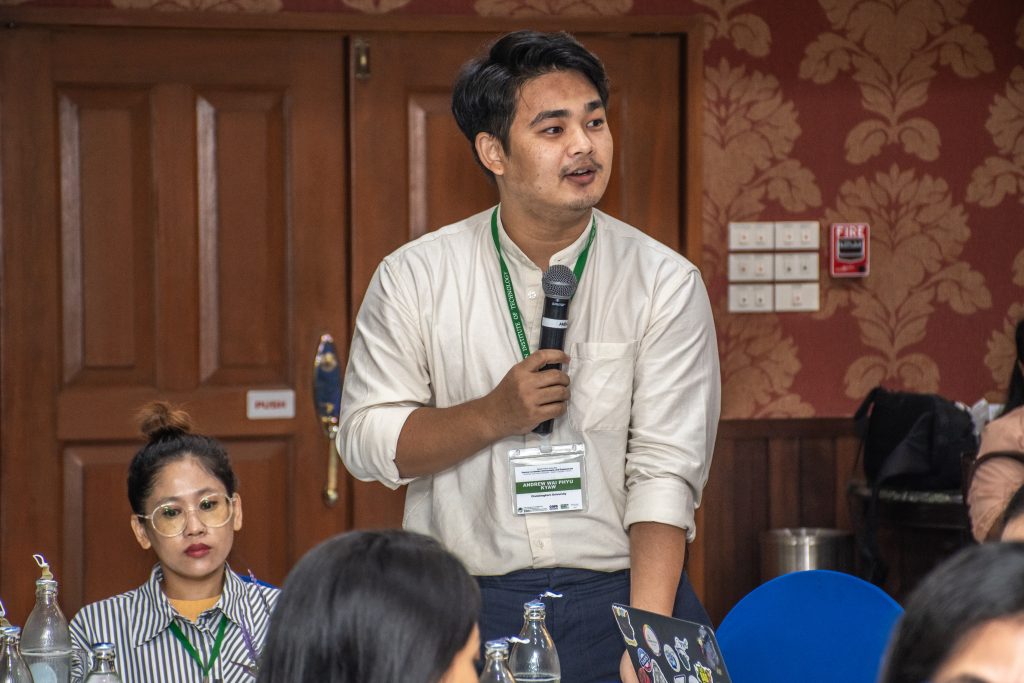
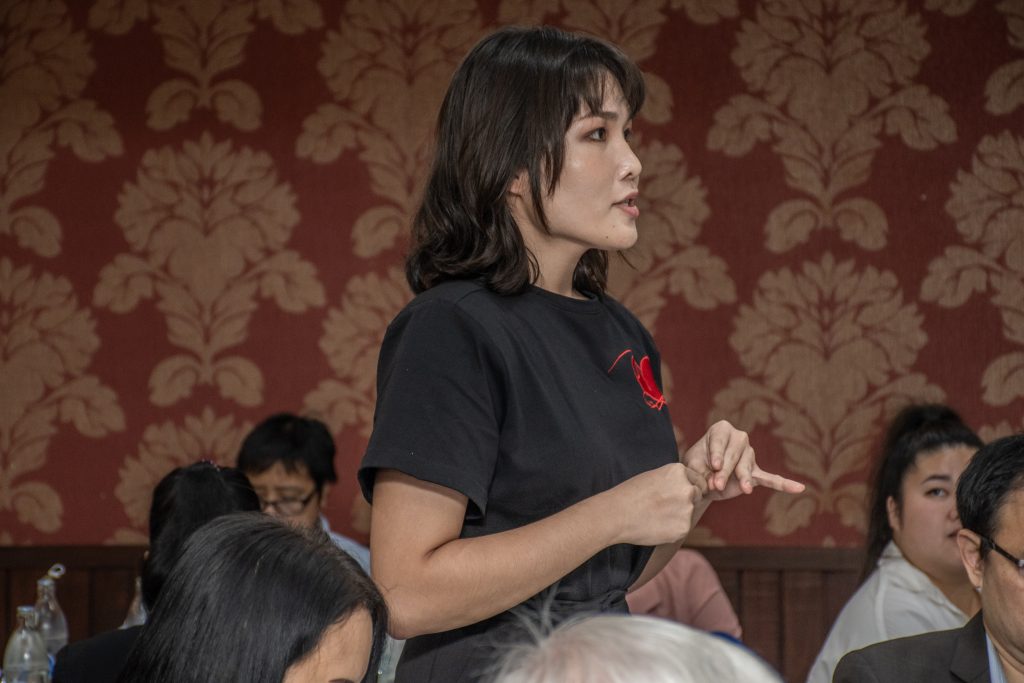
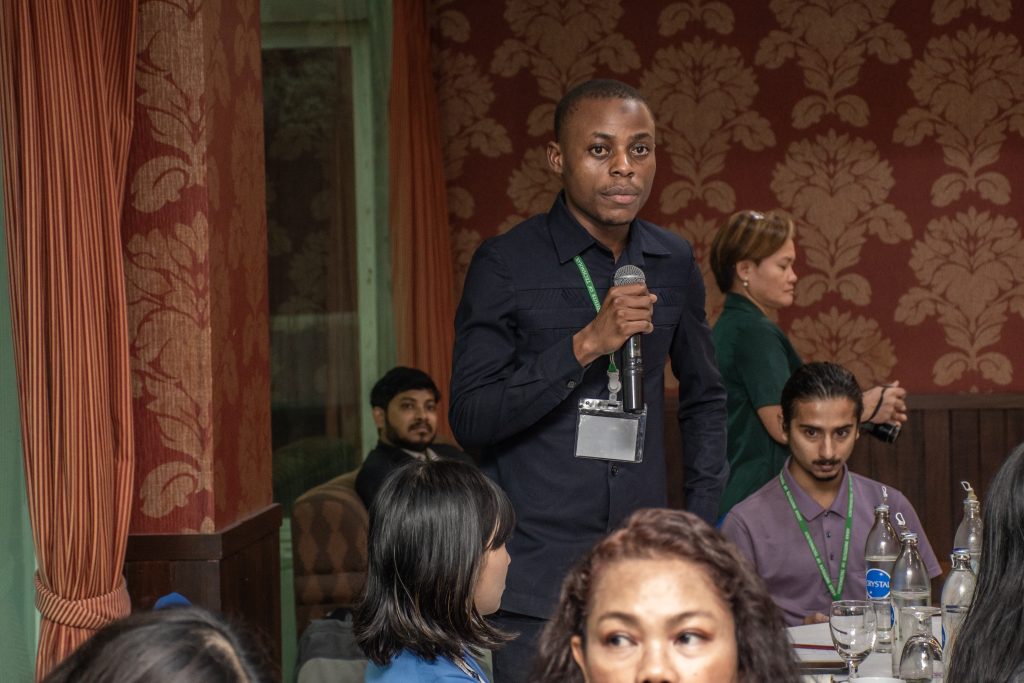
Giving his closing remarks Professor Abdul Salam, Dean of the School of Environment, Resources, and Development (SERD), AIT, emphasized the significance of such discussions in addressing pressing global challenges of Gender, Environment, and Displacements.