
Canadian society prides itself for its emphasis on multiculturalism. However, despite these ideals, not all groups are in fact treated equally. Being relegated to the fringes of society not only has direct implications for the health and wellness of marginalized groups, but it also influences their access to, and use of, health care resources.
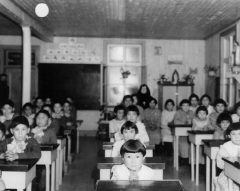 The Social Diversity Research Lab conducts field and lab studies听to understand the social determinants of mental and physical health among marginalized populations in Canada, and to identify how we can work with communities to improve conditions. Of particular interest are听the intergenerational effects of collective trauma on mental and physical health, and how negative effects听are exacerbated by discrimination and poverty. 听This includes research on听the intergenerational impacts of the Indian Residential Schools on the health of Indigenous听peoples, families, and communities.
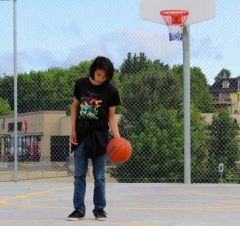
Photo by Ariel Root
Currently a primary focus of our lab concerns the resilience of First Nations youth in Northwestern Ontario. 听Working with partner organizations and with First Nations communities, we are co-creating research and intervention programs that are affirming for youth, provide them with a more hopeful future, and improve health and mental health outcomes. Learn more about the . As well, we are collaborating across disciplines and communities to develop unique for undergraduate and graduate students. Post-secondary students and youth from Indigenous communities are working together to co-create of multimedia stories that convey their shared vision for addressing the key pillars of the United Nations sustainable development goals, including social/health equity, environmental protection, and economic development.
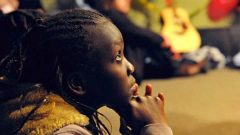 In past research projects, we have looked at the adaptation of Somali refugees to Canada, along with their听stress reactions, quality of health, depression, and post-trauma symptoms. 听Other research projects have looked at the effects of听prejudice against women, gays, immigrants, and Indigenous听peoples. In many of these studies, we consider听both behavioural and neurobiological processes and outcomes.
 We place our health research in the gendered, economic, cultural, environmental, and political conditions in which members of social groups operate, so that we can learn which听factors听make people more听vulnerable to, or resilient against, poor health and mental health outcomes.
I am accepting honours and graduates students through the Department of Neuroscience. There are also student and partnership opportunities through the , a multidisciplinary 杏吧原创 University Research Centre. Potential graduate students who wish to听work in the lab should contact me to discuss your听interests and fit.
Be sure to follow on听!
Call for papers for special issue on the Mental Health of Indigenous Peoples
听


